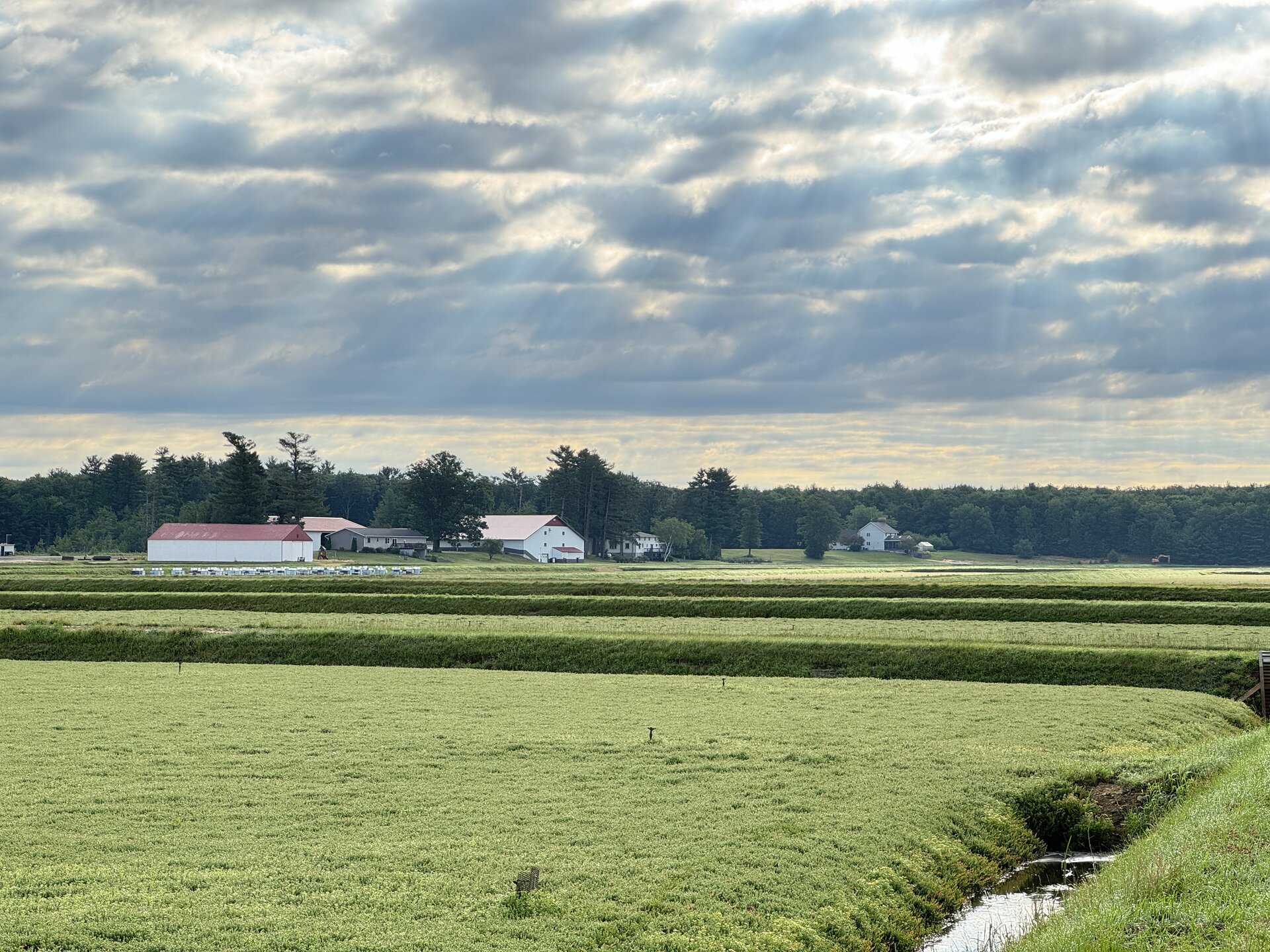
The Cranberry Year
From the first thaw of spring to the deep freeze of winter, cranberry farming follows nature's calendar.
Growing Cranberries in Wisconsin
Central Wisconsin provides the perfect conditions for cranberry cultivation: sandy, acidic soils, abundant freshwater, and cold winters that help control pests and diseases. Our marshes have been producing premium cranberries for over 125 years.
A Year on the Marsh
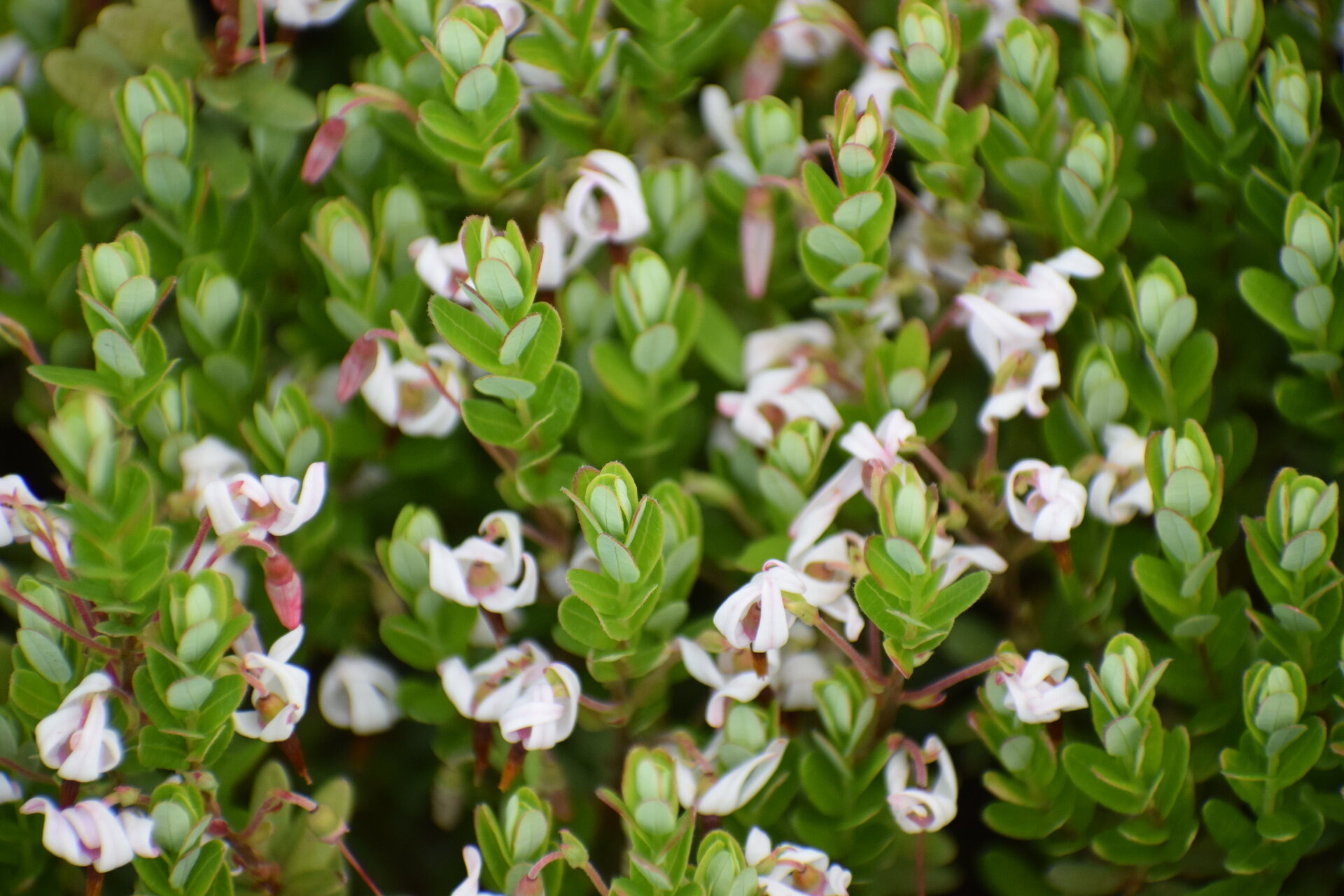
Spring
March - May
- Ice melts and floods drain
- Assess vine condition and winter damage
- Prepare irrigation systems
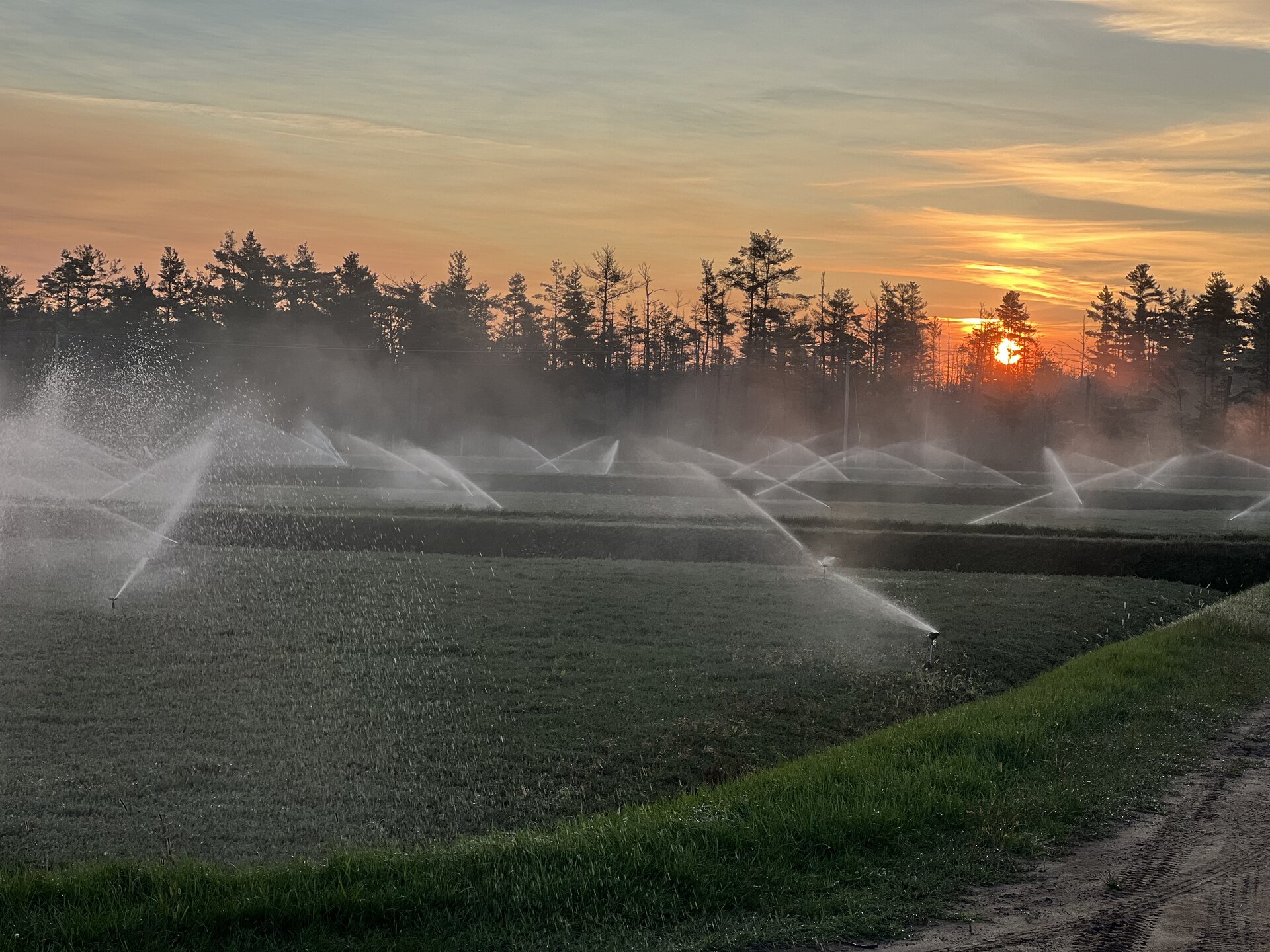
- Frost protection
- Begin pest monitoring programs
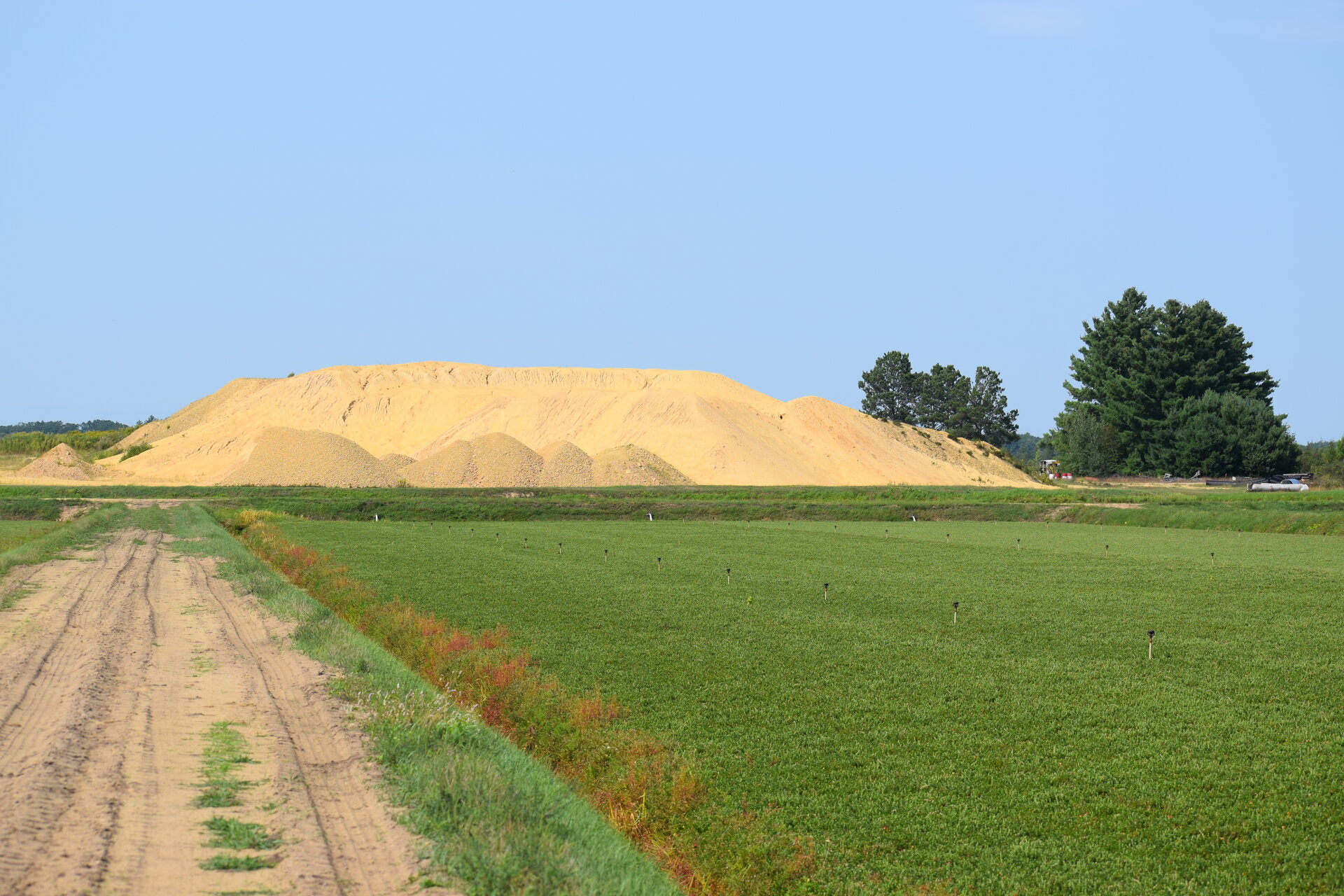
Summer
June - August
- Pollination period (June)
- Intensive pest and disease scouting
- Nutrient management
- Irrigation management
- Monitor fruit development
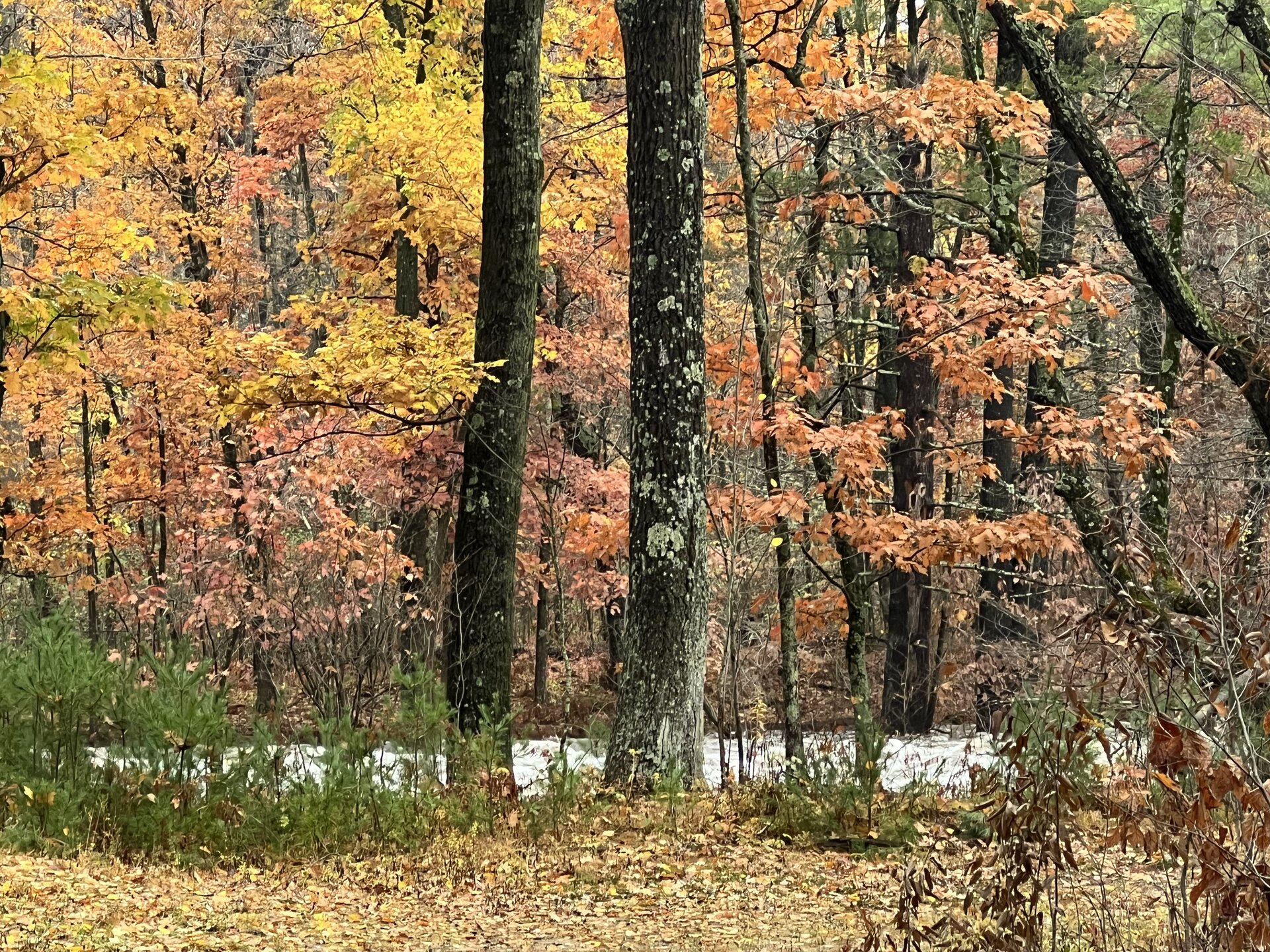
Fall
September - November
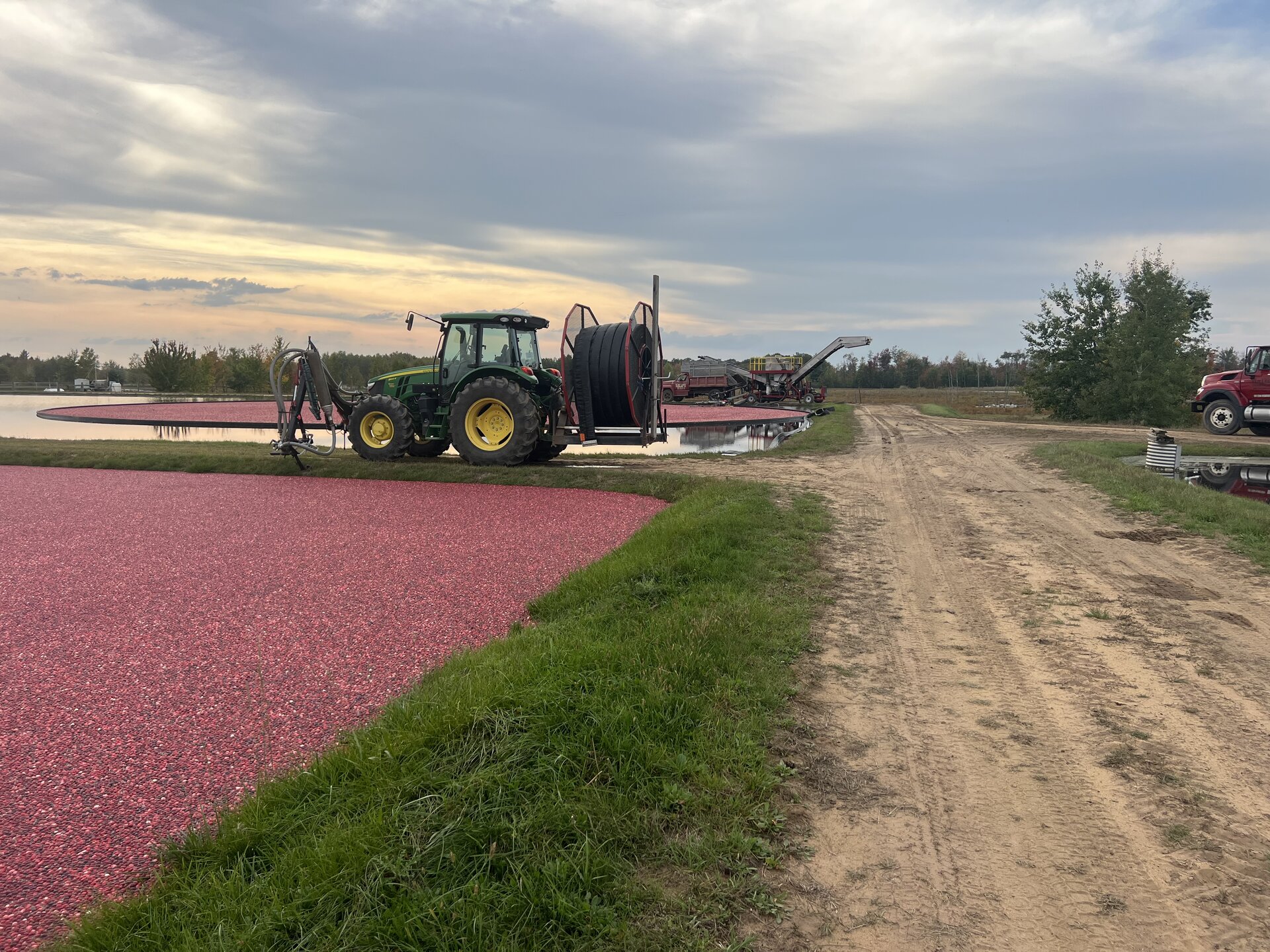
- Wet harvest begins (September)
- Deliver fruit to Ocean Spray
- Prepare beds for winter
- Equipment maintenance
Winter
December - February
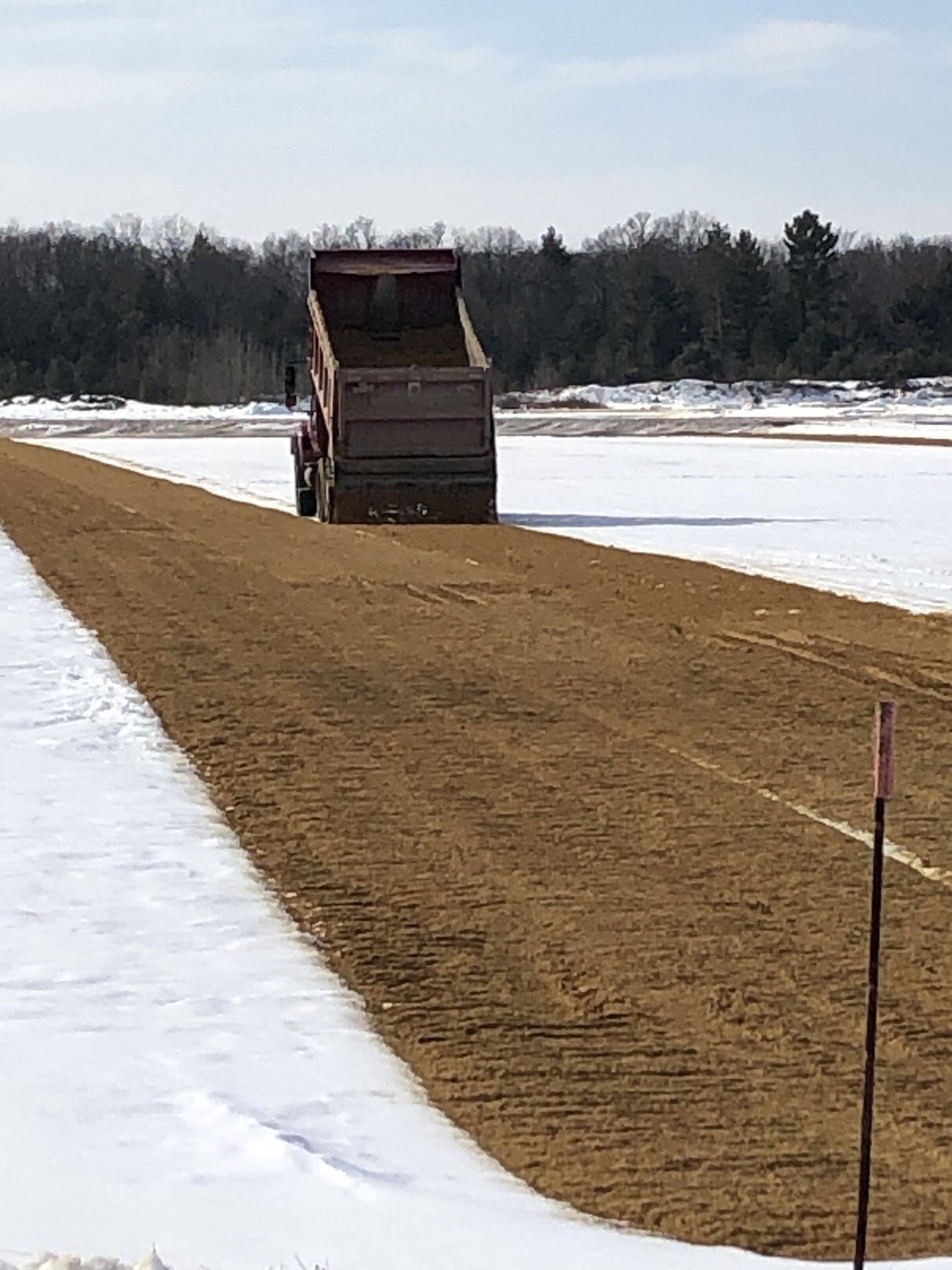
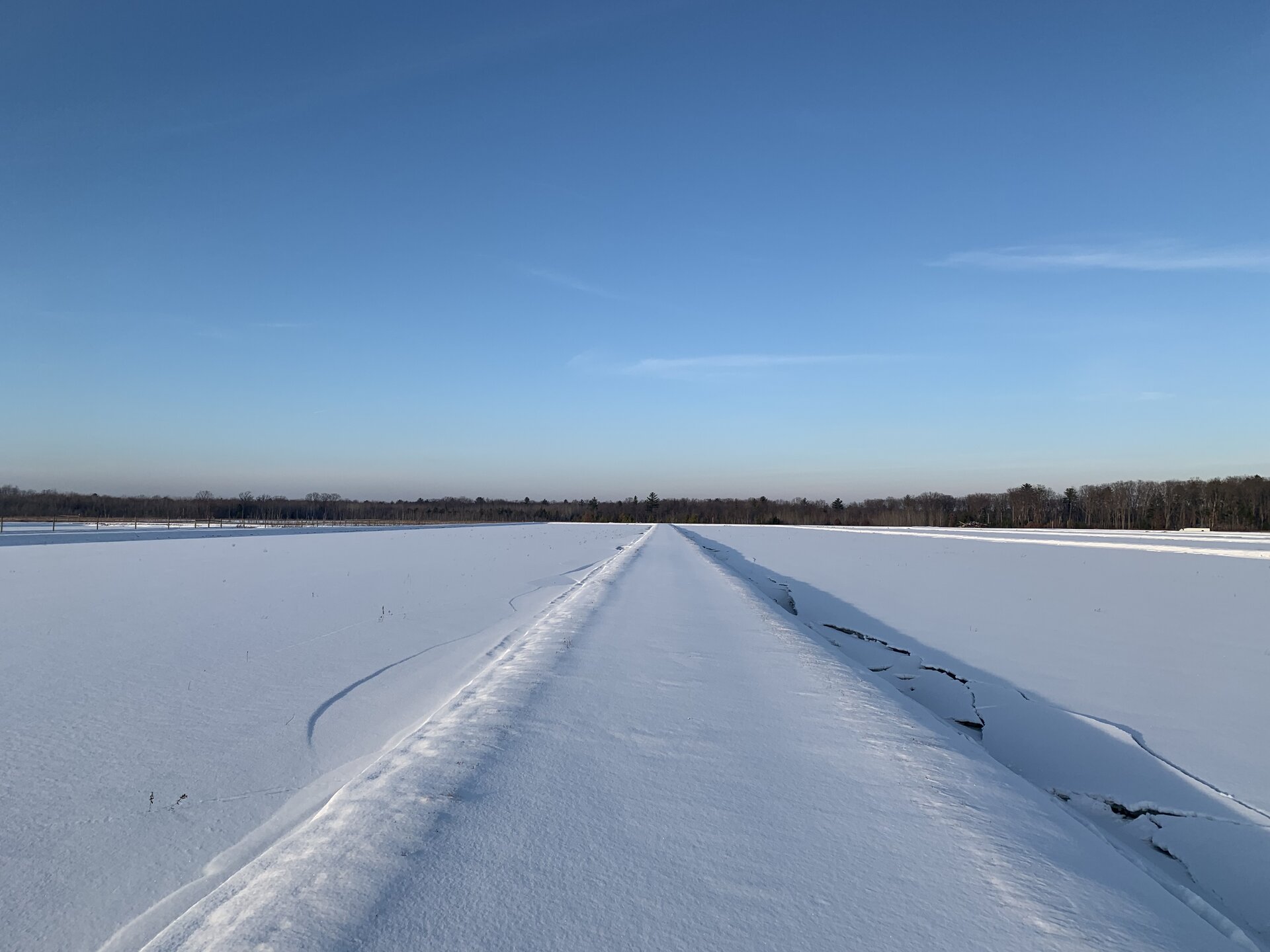
- Apply protective winter floods
- Ice sanding for vine protection
- Plan for upcoming season
- Equipment repairs and upgrades
- Research and education
Why Wisconsin?
Perfect Soils
Central Wisconsin's sandy, acidic soils are ideal for cranberry cultivation, providing excellent drainage and the right pH.
Abundant Water
The region's abundant groundwater and surface water resources support the intensive water needs of cranberry production.
Climate
Cold winters help control pests and diseases naturally, while warm summers provide ideal growing conditions.
Community
A strong network of growers, researchers, and industry partners creates a collaborative environment for innovation.
Interested in Our Technology?
Discover how we're using drones, sensors, and custom software to optimize every aspect of cranberry production.
Explore Our Technology